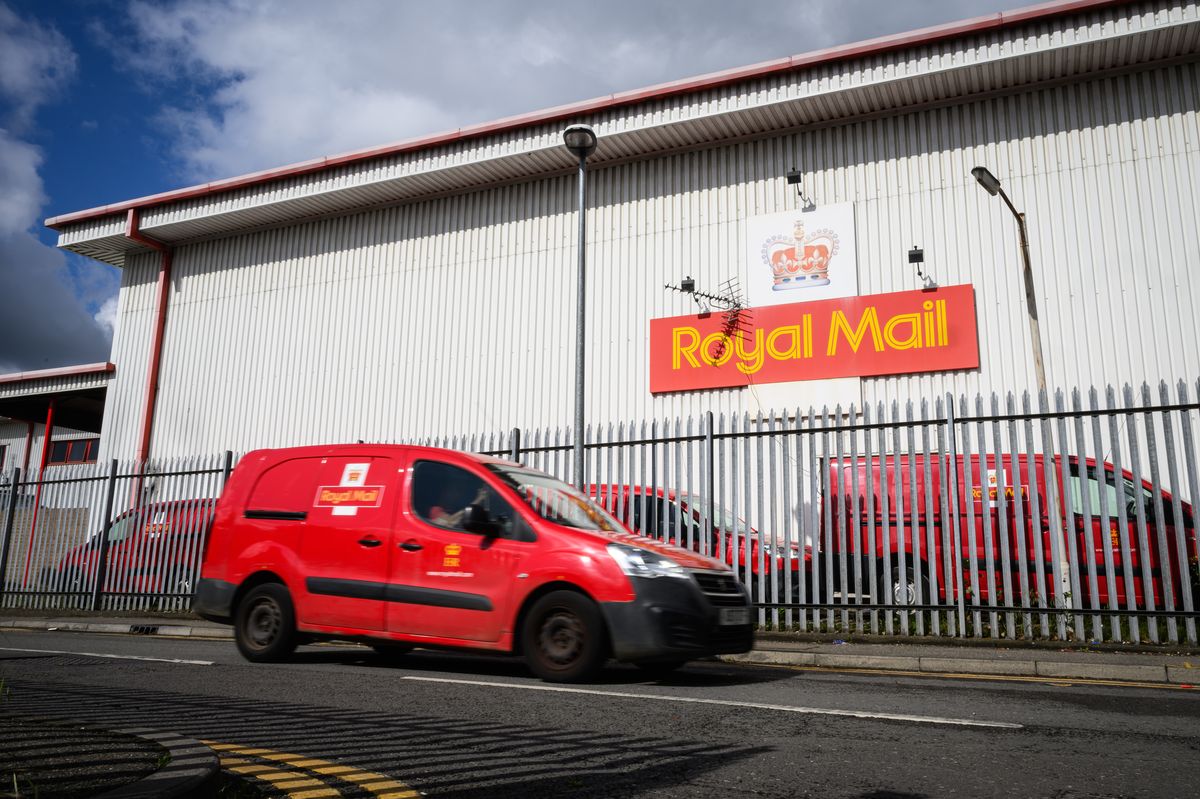
Royal Mail Faces Widespread Disruption as Sickness and Local Factors Trigger UK-Wide Delivery Warnings
In an ongoing challenge to maintain consistent service, Royal Mail has once again found itself battling significant delivery disruptions across the United Kingdom. Initially affecting a staggering 58 postcodes during the critical pre-Christmas period, the postal giant continues to grapple with operational hurdles, with recent updates indicating Royal Mail Issued Delivery Warnings Across 30 UK Postcode Areas. These persistent delays are primarily attributed to a combination of high staff sickness levels, resourcing issues, and various localised operational factors impacting sorting offices from bustling city centres to remote rural communities.
The impact of these service interruptions is far-reaching, affecting millions of households and businesses relying on Royal Mail for essential correspondence and parcel deliveries. While the company reaffirms its commitment to its standard six-day-a-week delivery service, it has candidly acknowledged that this standard is "temporarily not possible" in certain problem areas. This situation not only creates inconvenience but also raises broader questions about the resilience and future reliability of the UK's vital postal infrastructure.
Unpacking the Causes: Sickness, Staffing, and Local Logistical Hurdles
The core of Royal Mail's current operational challenges stems from a confluence of factors, with "high levels of sick absence" being prominently cited. While seasonal illnesses can certainly contribute, the sustained nature of these absences, coupled with broader "resourcing issues," suggests a deeper systemic problem. Post-pandemic shifts in workforce dynamics, recruitment difficulties in a competitive labour market, and the demanding nature of postal work could all play a role in staffing shortfalls.
Beyond human resources, "other local factors" are also exacerbating the situation. These could encompass a range of issues unique to specific sorting offices or delivery units. Imagine an older facility struggling with increased mail volume, a sudden surge in parcel traffic due to online shopping trends, or even local roadworks creating logistical bottlenecks for delivery vans. In some areas, these factors might combine, creating a perfect storm of challenges that overwhelms local management and staff. Royal Mail aims to minimise delays by alternating delivery routes and deploying additional personnel to the most severely affected offices. However, these measures, while necessary, often represent a reactive approach to underlying issues that demand more comprehensive, long-term solutions.
The cumulative effect is a strain on the entire network, leading to a backlog of letters and parcels. For consumers, this translates into uncertainty about crucial deliveries, from important documents to holiday gifts or essential goods. For businesses, especially small and medium-sized enterprises (SMEs) that rely heavily on Royal Mail for their dispatch needs, these delays can impact customer satisfaction, cash flow, and overall operational efficiency.
A Shifting Landscape: From 58 Christmas Hotspots to Ongoing 30-Postcode Alerts
The initial major alert from Royal Mail coincided with the festive season, a peak period for postal services. At that time, warnings were issued for an extensive list of 58 UK postcodes, signaling widespread disruption across England, Wales, Scotland, and Northern Ireland. Locations such as Brixton, Bristol East, Grimsby, Inverclyde, Kilmarnock, Motherwell, Plymouth, St Helens, Wigan, and Yate were among those first identified as experiencing significant service interruptions.
While the festive rush has passed, the challenges persist, albeit with a shifting focus. Royal Mail's most recent updates indicate that Royal Mail Issued Delivery Warnings Across 30 UK Postcode Areas as of late January. This evolution suggests that while some areas may have stabilised, others continue to struggle, or new hotspots have emerged. The list of affected areas remains dynamic, with locations like Boston DO (PE20, PE21, PE22), Clogher SPDO (BT70, BT75, BT76, BT77) in Northern Ireland, and certain parts of London, Manchester, and Leicester featuring prominently in the latest updates. This continuous churn highlights the ongoing, fluid nature of the operational difficulties Royal Mail is facing across its vast network.
For customers, this means the need to remain vigilant and check Royal Mail's official website regularly for the most up-to-date information regarding their specific postcode. The company has expressed its regret over the inconvenience, stating, "We’re sorry for any inconvenience and thank you for your understanding. We will regularly update customers on the offices most impacted." This commitment to transparency, while welcome, does little to alleviate the frustration of delayed essential mail.
Beyond Delays: Royal Mail's Regulatory Challenges and the Call for Improvement
The current delivery woes are not an isolated incident but rather the latest chapter in a turbulent period for Royal Mail. The company has been under intense scrutiny, particularly from the communications regulator Ofcom. In October, it was revealed that Royal Mail was fined a substantial £21 million for failing to meet its annual first and second-class mail delivery targets for the 2024-25 financial year. This marked the third consecutive year the British delivery giant has incurred such a penalty, underscoring a persistent pattern of service failures.
Ofcom's investigation found that Royal Mail delivered only 77% of first-class mail on time, significantly below its 93% target, and 92.5% of second-class mail, missing its 98.5% target. Ian Strawhorne, Ofcom's director of enforcement, did not mince words, stating, “Millions of important letters are arriving late, and people aren’t getting what they pay for when they buy a stamp. These persistent failures are unacceptable, and customers expect and deserve better. Royal Mail must rebuild consumers’ confidence as a matter of urgency. And that means making actual significant improvements, not more empty promises.”
These fines and criticisms highlight a deeper crisis of confidence. While high sickness levels and local factors explain immediate disruptions, the repeated failure to meet service targets suggests structural issues that go beyond day-to-day operational hiccups. Royal Mail faces increasing pressure to modernise, adapt to changing consumer demands for parcel delivery, and ensure its core letter service remains reliable and efficient. The financial penalties serve as a stark reminder that regulatory bodies are losing patience, and customers are demanding tangible improvements rather than just apologies.
Navigating Disruptions: Tips for Customers and Businesses
Given the ongoing challenges, individuals and businesses in the affected Royal Mail Issued Delivery Warnings Across 30 UK Postcode Areas need to adjust their expectations and strategies:
- Check Royal Mail's Website Regularly: For the most current list of affected postcodes and specific service updates, always refer to Royal Mail’s official service updates page. This is your primary source of real-time information.
- Send Early: If you have time-sensitive documents or parcels, post them well in advance of the required delivery date. Assume there will be delays, especially for non-tracked items.
- Utilise Tracking: For critical parcels, always opt for tracked services. While tracking won't prevent delays, it provides visibility and peace of mind, allowing you to monitor your item's journey.
- Consider Alternatives for Urgent Items: For extremely urgent deliveries, explore alternative courier services that might offer guaranteed next-day or timed deliveries, although these often come at a higher cost.
- Communicate Proactively (Businesses): If you're a business, inform your customers about potential delays and set realistic delivery expectations. Transparency can mitigate frustration and maintain trust.
- Keep Records: For important mail, keep proof of postage and tracking numbers. This is crucial if you need to make an enquiry or claim for a lost or significantly delayed item.
- Contact Royal Mail Directly: If you believe your mail is significantly overdue and your postcode is affected, check the Royal Mail website for specific advice on how to contact them regarding delayed items.
The situation underscores the importance of staying informed and adopting a proactive approach to your postal needs during periods of reported disruption.
Conclusion: The Path Ahead for Royal Mail
Royal Mail's ongoing struggle with high sickness levels, resourcing issues, and local operational factors is causing significant delivery delays across a substantial number of UK postcodes. From an initial widespread warning affecting 58 areas to persistent alerts for around 30 postcodes, the problem remains a national concern. These operational challenges are further compounded by intense regulatory scrutiny, highlighted by repeated multi-million-pound fines from Ofcom for failing to meet delivery targets. The combined pressure demands more than just temporary fixes; it calls for a comprehensive overhaul to restore consistent service levels and rebuild public confidence.
As Royal Mail apologises for the inconvenience and pledges to keep customers updated, the onus is on the company to demonstrate concrete improvements. For residents and businesses, vigilance, proactive planning, and utilising available tracking services will be essential for navigating these disruptions. The reliability of our postal service is fundamental to daily life and commerce, and the current challenges serve as a stark reminder of its critical importance and the urgent need for Royal Mail to deliver on its promise of an efficient and dependable service for all.